Key Takeaways

How to Become a Firefighter with CAL FIRE
CAL FIRE is one of the largest and most unique fire agencies in California. Learn how the state hiring system works, what candidates should do before applications open, and the steps that can improve your chances of becoming a CAL FIRE firefighter.
California State Fire Service Career Guide
How to Become a Firefighter with CAL FIRE
CAL FIRE is not just another city fire department. It is a California state agency, which means candidates must understand CalCareers, state classifications, exams, eligibility, seasonal hiring, academy expectations, and wildland fire realities.
Quick Answer
To become a firefighter with CAL FIRE, most candidates should build EMT readiness, complete or pursue fire academy training, create a CalCareers account, understand the Fire Fighter I classification process, apply during open hiring windows, prepare for wildland fire operations, and verify current requirements directly through CAL FIRE and CalCareers before submitting an application.
 CAL FIRE Is a State Fire Agency
Many candidates approach CAL FIRE like a local city fire department. That is a mistake. CAL FIRE operates within California’s state employment system. That means the hiring path is shaped by state job classifications, examination processes, eligibility lists, duty statements, minimum qualifications, and application packages.
Captain Dave’s Bottom Line: If you want CAL FIRE, learn the state hiring system before the job opens. Waiting until the application window appears is how good candidates get out-organized.
Local Government
City, county, and district fire departments usually use local HR systems, local eligibility lists, and agency-specific hiring timelines.
State Government
CAL FIRE uses California’s civil-service system, CalCareers, state classifications, examinations, and duty statements.
Federal Government
Federal wildland and emergency management roles often run through USAJobs and federal hiring rules.
Why CAL FIRE Is Different
CAL FIRE is an all-risk fire and emergency response agency with a major wildland mission. Firefighters may work on engines, hand crews, aviation incidents, vegetation fires, structure protection, rescues, medical calls, and major statewide mutual aid deployments.
| Feature | CAL FIRE | Typical Local Fire Department |
|---|---|---|
| Hiring System | California state civil service through CalCareers and state classifications. | City, county, district, or regional HR process. |
| Primary Fire Environment | Wildland, WUI, rural, suburban, and all-risk response. | Often more fixed around city, district, or county service boundaries. |
| Application Skill | Reading job bulletins, duty statements, minimum qualifications, and exam notices. | Following local recruitment announcements and agency-specific testing rules. |
| Career Reality | Seasonal intensity, incident deployments, fire camps, extended operational periods, and statewide movement. | Usually a more stable station-based local assignment model. |
Step-by-Step: How to Become a CAL FIRE Firefighter
1
Build Your EMT Foundation
Emergency medical calls are a major part of modern fire service work. Start with EMT training early. Verify whether the specific CAL FIRE job posting requires EMT at application, appointment, or another stage, because requirements can change by classification and hiring cycle.
2
Prepare for Wildland Firefighter Fitness
CAL FIRE readiness is not only gym fitness. Train for hiking, heat, uneven ground, hose packs, tool work, grip endurance, stairs, loaded carries, long work periods, and recovery. A candidate who only trains for a flat physical agility test may be underprepared for real fireline work.
3
Create and Learn Your CalCareers Account
CalCareers is not just a website where you click apply. It is the front door to California state employment. Build your profile, understand how applications are saved, learn how exams work, and keep your documents organized before the job opens.
4
Study the Job Bulletin and Duty Statement
The job bulletin tells you the rules. The duty statement tells you the job. Serious candidates study both. Look for minimum qualifications, desirable qualifications, required documents, testing information, filing deadlines, and instructions that can disqualify careless applicants.
5
Complete the Required Exam or Eligibility Process
State hiring often uses examination and eligibility-list systems. Read the current CAL FIRE and CalCareers instructions carefully. Passing an exam or meeting minimum qualifications does not automatically mean you will be selected. It means you have entered the system correctly.
6
Apply During Open Hiring Windows
Do not wait until the final day. Submit a complete, clean, accurate application package. If the posting asks for a resume, certificates, transcripts, or supplemental responses, include exactly what is requested. Government hiring rewards instruction-followers.
7
Prepare for Interview and Selection
Your answers should show safety, maturity, teamwork, coachability, work ethic, and understanding of CAL FIRE’s mission. Avoid generic answers. Use real examples that prove you can work hard, take correction, live with a crew, and stay useful during difficult conditions.
8
Survive Academy, Assignment, and Probation
Getting hired is not the finish line. CAL FIRE firefighters must adapt to physically demanding work, crew culture, operational discipline, long days, fire camp life, and the responsibility of representing a state agency during high-consequence incidents.
CAL FIRE Candidate Readiness Checklist
Administrative Readiness
- Create and update your CalCareers account.
- Learn how to read job bulletins and duty statements.
- Track exam notices and application windows.
- Organize EMT, academy, driver license, and training documents.
- Verify current requirements before every application.
Operational Readiness
- Train for hiking, loaded carries, stairs, grip, and heat.
- Understand wildland fire behavior basics.
- Learn fire camp expectations and crew living realities.
- Practice interview answers using real examples.
- Build a reputation for consistency before you apply.
How to Read a CAL FIRE Job Posting
A CAL FIRE job posting is not casual reading. Treat it like part of the test. The candidate who reads every requirement, uploads the correct documents, follows instructions, and understands the duty statement has an advantage over the candidate who simply wants the job badly.
| Posting Section | What It Tells You | Candidate Mistake |
|---|---|---|
| Minimum Qualifications | Whether you are legally eligible for the classification. | Applying without verifying eligibility. |
| Desirable Qualifications | What the agency would like to see beyond the minimum. | Ignoring clues about what the hiring team values. |
| Duty Statement | The real work, expectations, tasks, and conditions. | Writing generic answers that do not match the job. |
| Required Documents | What must be submitted with the application. | Missing attachments or uploading incomplete records. |
| Filing Instructions | How, when, and where to apply. | Waiting until the deadline or failing to follow directions. |
What CAL FIRE Candidates Should Do This Month
- Open CalCareers: Create or update your state application profile.
- Search CAL FIRE classifications: Look for Fire Fighter I and related seasonal or emergency response classifications.
- Read duty statements: Study what the job actually requires.
- Enroll in EMT if needed: EMT is one of the most important early career gates.
- Start wildland-focused training: Build endurance, load tolerance, grip strength, and heat discipline.
- Organize documents: Keep certificates, transcripts, driver license information, and resume materials ready.
- Practice interview stories: Build examples that prove safety, teamwork, discipline, and coachability.
Future CAL FIRE Guides Coming Next
This page is the parent guide. Future child pages should go deeper into each high-intent topic candidates search for before applying.
Hiring and Requirements
- CAL FIRE Fire Fighter I hiring process
- CAL FIRE EMT requirements
- CAL FIRE CalCareers application guide
- CAL FIRE exam and eligibility list guide
Career Reality
- CAL FIRE salary and overtime
- CAL FIRE seasonal firefighter jobs
- CAL FIRE academy expectations
- CAL FIRE vs municipal fire departments
Frequently Asked Questions
Is CAL FIRE a city fire department?
No. CAL FIRE is a California state agency. That means candidates must understand California’s state hiring system, CalCareers, state classifications, and examination processes.
Do I apply to CAL FIRE through CalCareers?
Yes. CAL FIRE state jobs are typically accessed through CalCareers. Candidates should create an account, monitor open postings, and carefully follow each bulletin’s instructions.
Is EMT required for CAL FIRE?
EMT requirements can depend on the classification and hiring cycle. Candidates should pursue EMT early and verify the current posting before applying.
Is CAL FIRE mostly wildland firefighting?
CAL FIRE has a major wildland mission, but it is also an all-risk emergency response agency. Firefighters may respond to vegetation fires, medical calls, rescues, structure fires, and statewide incidents.
What is the biggest mistake CAL FIRE candidates make?
The biggest mistake is waiting for the job opening before learning the hiring system. Serious candidates prepare their CalCareers profile, documents, EMT path, fitness, and interview stories before the posting appears.
Captain Dave’s Pro Tip
The person who gets hired is not always the person who wants it most. It is often the person who understands the system, prepares early, follows instructions, and proves readiness before the application opens.
Study the Complete Firefighter RoadmapShare:

About the Author
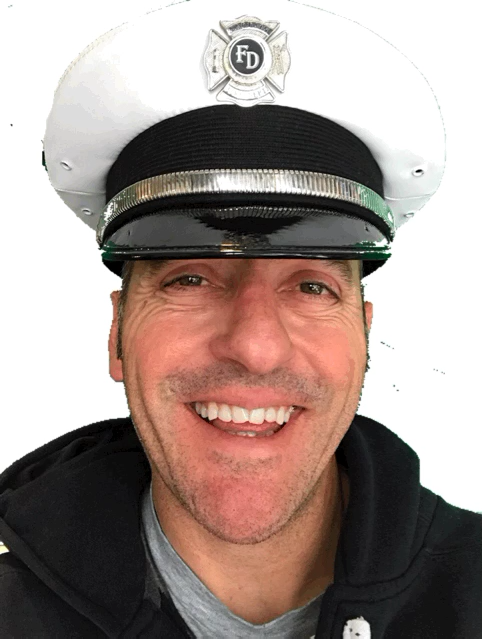
Captain Dave is a retired Fire Captain, former paramedic, and author dedicated to mentoring the next generation of firefighters. With more than two decades of fire service experience, he has led crews through high-pressure incidents, trained probationary firefighters, and prepared candidates for every stage of the hiring and promotion process.
He is the author of multiple career guides including Become a Firefighter – National Updated Edition, Pass Firefighter Probation, Veteran to Firefighter, High School to Firefighter, and Promote to Engineer. Captain Dave also creates online courses and interactive safety books for children, blending real-world experience with a passion for public safety education.
When he’s not writing or teaching, Captain Dave shares insights through his Firefighter Mentor platform, helping aspiring and advancing firefighters build the skills, mindset, and confidence needed to thrive in the fire service.
Learn more at www.firefightermentor.com.
Blog posts
-

Who Is Captain Dave
Who is Captain Dave? Learn how retired fire captain and mentor Captain Dave helps future firefighters, probationary firefighters, and first responders build successful careers through books, training, and real-world fire service experience.
-

CALIFORNIA FIRE UPDATES
Latest California wildfire updates featuring active fires, containment levels, acreage burned, incident summaries, and official CAL FIRE information statewide.
-

What Happens After a Conditional Firefighter Job Offer? What is Firefighter Probation?
 A conditional firefighter job offer is a major milestone, but it is not the finish line. Learn what usually happens next, including medical exams, background review, onboarding, academy preparation, first-shift readiness, and why firefighter probation becomes the next real test of habits, humility, crew trust, and long-term success.


